Most Authentic Pizza Experience in Inland Empire
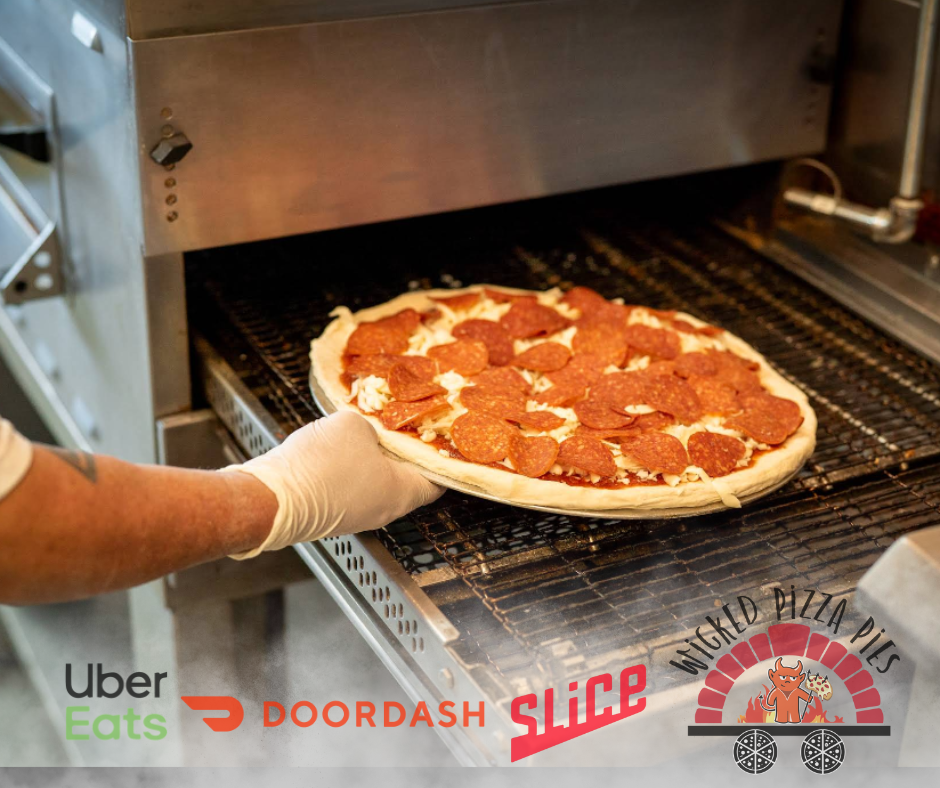
Most authentic pizza experience in Inland Empire usually comes from a combination of flavor, consistency, local identity, and the feeling that the shop actually knows what kind of pizza it wants to make. For many customers, authenticity is not about chasing one rigid definition or pretending there is only one correct style. It is about finding a pizza place that feels real, dependable, and distinctive enough that the experience stands out from a generic chain meal.
That matters because the Inland Empire is a broad region with very different neighborhoods, routines, and customer expectations. Some people want a relaxed dine-in dinner. Some want the kind of takeout they can depend on after work. Others want a group order that feels more memorable than default delivery app pizza. In all of those situations, the most authentic experience is rarely just about price or size. It is about whether the whole order feels thoughtfully made and connected to the place serving it.
This article takes a neutral, practical approach to the topic. Instead of turning authenticity into hype, it breaks down the real signs that a pizza experience feels more authentic than average. That includes crust quality, menu identity, customer behavior, balance, dine-in atmosphere, takeout performance, and overall value. Readers can use these standards whether they are trying a new neighborhood spot for the first time or comparing local favorites with larger chain options.
What Makes a Pizza Experience Feel Authentic?
An authentic pizza experience usually feels coherent from start to finish. The pizza has a clear style. The crust tastes intentional. The toppings make sense together. The shop does not feel like it is copying every other menu in the area just to chase broad appeal. Instead, it gives the impression that the kitchen has a point of view and knows how to repeat it consistently.
That does not mean every authentic pizza place looks the same. One shop may focus on wood-fired pies with lighter toppings and blistered crust. Another may lean toward a sturdier neighborhood pie that feels ideal for a family dinner. A third may win people over with comfort-style combinations and reliable takeout. All three can feel authentic if the experience is honest, well-executed, and rooted in what the shop actually does well.
Authenticity also comes from how the experience fits real life. A place that serves excellent pizza but falls apart on timing, consistency, or order accuracy may still be interesting, but it will not feel dependable enough to become part of someone’s routine. The most authentic places are often the ones that work in normal life, not only on a perfect night.
Why Authenticity Matters More Than Hype
Plenty of pizza shops can look impressive in a photo. That is not the same as creating an experience people actually trust. Hype can bring in first-time orders, but authenticity is what creates repeat business. When customers return again and again, recommend a place to neighbors, or choose it for family nights and group hangouts, that usually means the shop delivered something more durable than a social media moment.
Authenticity also helps customers make better decisions. Instead of focusing on the loudest claims or the most polished marketing, they can evaluate what really matters: whether the pizza tastes cared for, whether the slices feel balanced, whether the menu has identity, and whether the experience holds up across dine-in, pickup, or delivery. That is much more useful than empty claims about being the “best.”
For local readers, authenticity can also mean community fit. A pizza place that feels connected to neighborhood habits, local families, and repeat customers often feels more believable than one that seems built purely around broad advertising. That local fit is part of what people are really noticing when they describe a pizza shop as authentic.
Most Authentic Pizza Experience in Inland Empire Starts With 7 Real Signs
1. The crust has character and consistency
Crust is one of the fastest ways to tell whether a pizza experience feels serious. A good crust should reflect the style of pie the shop is aiming for. It may be airy, crisp, chewy, sturdy, or lightly blistered, but it should not taste accidental. Customers notice when the edge has flavor, structure, and proper bake color. They also notice when the crust feels bland, pale, or treated like leftover bread around the main event.
Consistency matters just as much. One great pizza does not prove much. A shop feels authentic when the crust quality shows up repeatedly in customer photos, repeat visits, and slice-to-slice experience.
2. The menu feels focused instead of generic
An authentic pizza experience usually starts with a menu that makes sense. The shop may offer multiple options, but there is still a point of view. Signature pies sound intentional instead of random. The combinations feel like someone thought about how the ingredients would eat together. Even the simpler pizzas reflect some confidence in the basics.
That focus does not require a tiny menu. It simply means the menu has an identity. When everything looks interchangeable with every chain or every takeout spot nearby, the experience feels less personal and less memorable.
3. The toppings are balanced across the whole pie
Authenticity is not about throwing on the maximum possible amount of cheese or toppings. It is about building a pie that feels complete and balanced. Each slice should get a fair share. The sauce should support the cheese rather than disappear under it. The crust should still matter. When toppings are dumped into the center or used carelessly, the pizza may look generous at first glance but eat poorly.
A more authentic-feeling pizza often has smarter distribution and better balance. That makes the whole pie feel intentional, especially when shared with family or friends.
4. Customer behavior shows repeat trust
Reviews can be noisy, but one pattern is especially helpful: people coming back. When customers talk about a place as their regular spot, their weeknight order, or the pizza they recommend to visiting friends, that says a lot. Authenticity is often visible in routine behavior. A shop that quietly becomes part of local habits usually has something real working in its favor.
That is more persuasive than one dramatic review. Repeat trust is a stronger sign than momentary excitement.
5. The shop works for real ordering situations
A pizza place should not only shine under ideal dine-in conditions. It should also make sense for pickup, casual family dinner, and group orders. The most authentic experience is one that still feels solid when life is normal and people are hungry, busy, and trying to solve dinner without overthinking it.
This is where many neighborhood favorites quietly outperform expectations. They may not feel flashy, but they handle the real-world use cases that matter most. That includes better takeout flow, clearer menu planning, and pizzas that still feel satisfying when eaten at home rather than right next to the oven.
6. The atmosphere matches the food
Atmosphere does not need to be elaborate to feel authentic. In many cases, a simple, honest environment fits the food better than something overly staged. What matters is whether the experience feels believable. The menu, service rhythm, setting, and pizza itself should all feel like they belong together.
That same principle applies to digital atmosphere too. A shop’s public presence, customer photos, and ordering flow should feel aligned with what you receive. When there is a major gap between image and reality, authenticity drops quickly.
7. The value feels fair, even if it is not the cheapest
Customers often associate authenticity with quality that justifies the spend. A pizza does not need to be the cheapest in the Inland Empire to feel worth it. It needs to leave people feeling satisfied with the flavor, portions, and overall experience. Fair value often matters more than low headline pricing, especially for shared meals.
This is where authentic pizza places often do well. They make the order feel complete. The food matches expectations. People do not walk away feeling that the price was low but the experience was forgettable.
Different Pizza Styles Can Still Feel Authentic
One of the biggest mistakes people make is assuming authenticity only belongs to one pizza style. In practice, authenticity can show up in several forms. A lighter wood-fired pie can feel authentic when the dough, bake, and ingredient restraint all work together. A comfort-style pizza can feel equally authentic when it is consistent, balanced, and clearly rooted in what the shop does best. A more classic neighborhood pie can also feel authentic if it delivers dependable flavor and a strong sense of place.
That is why the better question is not “Which style is the only real one?” It is “Does this shop execute its chosen style honestly and well?” If the answer is yes, the experience has a much better chance of feeling genuine.
For readers comparing styles, these related internal articles can help narrow down preferences before ordering:
- wood-fired pizza in Norco California
- perfect pizza in Norco CA
- comfort-style pizza in Norco CA
- best pizza places near me
Those comparisons are useful because some customers care most about crust texture, while others care more about topping coverage, dine-in comfort, or how well the pizza works for a bigger group. Authenticity can still show up across all of those priorities.
Authentic Local Experience vs. Chain Convenience
There is nothing wrong with chain pizza when convenience is the priority. Chains often win on app ordering, delivery range, predictable coupons, and broad familiarity. Those are real benefits, especially on busy weeknights when speed matters more than discovery.
The most authentic pizza experience in Inland Empire usually wins in different categories. It often feels more personal, more distinct, and more rooted in neighborhood behavior. The menu may have more personality. The pizza may taste less standardized. The order may feel more like something made by an actual local kitchen rather than processed through a large system built for uniformity first.
That does not mean local always beats chain in every situation. It means the upside is usually higher when a local shop truly knows what it is doing. The trade-off may be slightly simpler online ordering, rush windows that feel more obvious, or less standardized delivery coverage. For many customers, that trade is worth it when the pizza experience feels more real.
Timing, Freshness, and Travel Distance Change the Experience
Timing is one of the most overlooked parts of pizza evaluation. A shop may send out excellent pies, but rush periods, long drives, or delayed pickup can change the final result. Steam in the box can soften crust. Toppings can shift slightly during transport. A pie that would have impressed on-site may feel less sharp after a longer ride home.
This matters in the Inland Empire because travel distance can vary more than people expect. A first-time order may be judged more fairly during a shorter pickup window or a dine-in visit, especially if you are trying to understand the shop’s true baseline quality. Once you know how the pizza behaves, it becomes easier to choose the right order style for your needs.
If freshness after travel is part of your decision, these related reads may help:
- how long does pizza stay fresh after delivery
- best pizza order for a group hangout
- order pizza for a large party
- family pizza in Norco California
These practical factors matter because authenticity is not just something you notice in theory. You notice it in how the pizza performs when it reaches the table you actually plan to eat at.
How to Think About Value Without Guessing
Pizza pricing can vary by size, specialty toppings, side items, taxes, delivery fees, and third-party app markups. That is why it is usually better to talk about value rather than fixed price claims unless someone is looking at a live menu. Exact totals change. What matters more is whether the order feels proportionate to what you received.
Value is shaped by a few practical questions. Did the pizza feel substantial enough for the occasion? Did the crust, sauce, cheese, and topping quality justify the spend? Did the order satisfy the group without leaving people disappointed by sparse slices or weak balance? Did leftovers reheat well enough to still feel worthwhile? Those are better value questions than sticker price alone.
For planning larger or more intentional orders, these direct pages are helpful:
That is often where local pizza places have an advantage. When the order is handled well and the pizza feels complete, customers tend to be more forgiving of a slightly higher price than they would be for a cheaper but forgettable experience.
Helpful Related Pizza Reads
If you want to keep comparing what makes a local pizza experience feel worth returning to, these resources fit naturally with this topic:
- Norco pizza night guide
- best pizza for people who do not like pepperoni
- wood-fired pizza in Norco California
- perfect pizza in Norco CA
- best pizza places near me
For public-facing profiles, photos, and updates, these can also help readers compare the experience from multiple angles:
Final Takeaway
Most authentic pizza experience in Inland Empire usually comes from a place that feels grounded, consistent, and genuinely local rather than aggressively marketed. The strongest experiences tend to combine crust character, balanced toppings, menu identity, repeat-customer trust, and real-world usefulness for dine-in, takeout, or shared meals. That is what makes a pizza night feel memorable without needing exaggerated claims.
For readers looking for a practical local benchmark within that conversation, Wicked Pizza Pies is one Norco option that fits naturally into the kind of neighborhood pizza experience many people mean when they talk about authenticity. The better long-term habit, though, is to use the criteria in this guide whenever comparing any shop in the region. That is what helps you find an experience that feels real enough to return to, not just interesting enough to try once.
FAQ
What does an authentic pizza experience usually mean?
It usually means the shop has a clear identity, the pizza feels thoughtfully made, and the experience is consistent enough that people trust it in real life. It is less about one rigid style and more about whether the food, service, and overall atmosphere feel honest and well-executed.
Can different pizza styles still feel authentic?
Yes. Wood-fired, comfort-style, and classic neighborhood pizzas can all feel authentic if the shop executes its chosen style well. The important question is whether the crust, toppings, and menu all work together in a consistent and believable way.
How can I tell if a pizza place is authentic before ordering?
Check recent customer photos, read reviews for signs of repeat visits, look at whether the menu has a clear style, and notice whether the pizzas look balanced from slice to slice. Those signals usually tell you more than generic marketing language.
Is local pizza always better than chain pizza?
No. Chains may still be better for convenience, coupons, or broad delivery coverage. Local pizza often feels more personal and distinctive, but the best choice depends on whether you prioritize speed, price, or a more memorable experience.
Why does delivery distance matter so much with pizza?
Because steam and travel time can change crust texture and overall balance. A pizza that leaves the oven in great shape may soften on a longer drive. That does not always mean the shop underperformed. It means the order context affects the final experience.
How should I judge pizza value if prices vary a lot?
Focus on whether the order felt satisfying, balanced, and appropriate for the occasion. Consider crust quality, toppings, portions, leftovers, and how well the pizza matched your needs. That gives you a better value comparison than looking at price alone.
Comments
Post a Comment